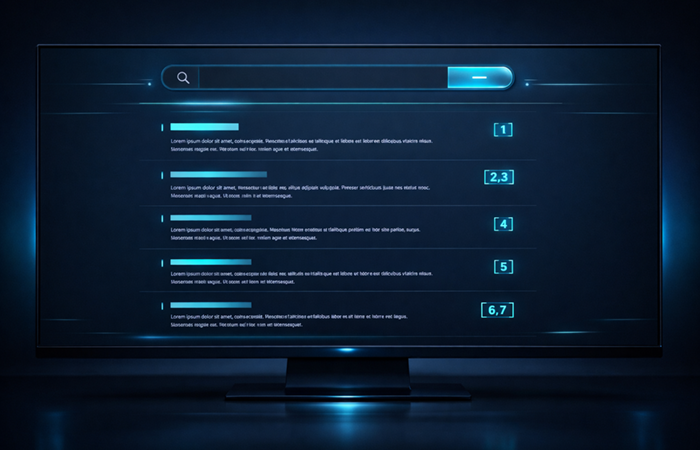
Perplexity positions itself as a replacement for traditional search — instead of giving you ten blue links to click through, it reads the web and gives you a direct answer with cited sources. For students, researchers, and professionals who need accurate, verifiable information fast, this could be genuinely useful.
We used Perplexity daily for several weeks across research, fact-checking, and general questions. Here is our honest assessment.
What Is Perplexity?
Perplexity is an AI-powered answer engine. You ask a question in plain English, and it searches the live web, synthesises the information, and gives you a clear answer with numbered citations linking back to the original sources — so you can verify everything yourself.
It is not trying to replace Google entirely. It is solving a specific problem: getting a direct, sourced answer without scrolling through multiple websites and ads to find it.
Perplexity Plans and Pricing
| Plan | Price | What you get |
|---|---|---|
| Free | $0 | Unlimited basic searches, limited Pro searches per day, no sign-up required |
Pro Best value | $20/mo | Unlimited Pro searches, access to GPT-4 and Claude within Perplexity, file uploads |
Where Perplexity Genuinely Wins
Source Accuracy: 9.0/10
This is where Perplexity earns its reputation. In our testing across dozens of factual queries, the citations consistently linked to credible, relevant sources — news outlets, academic papers, official documentation, and established websites rather than low-quality content farms.
For students writing essays who need to cite sources, or professionals who need to verify a claim before including it in a report, this citation-first approach genuinely saves time compared to manually searching and cross-referencing multiple results.
Writing Quality: 6.5/10
This is Perplexity’s clear weak point. It is built for factual synthesis, not creative or nuanced writing. Ask it to write a blog post or an email and the output feels noticeably more mechanical than ChatGPT or Claude — shorter sentences, less natural flow, more like a structured summary than genuine writing.
If you need writing assistance, Perplexity is not the tool. Stick to ChatGPT or Claude for that and use Perplexity specifically for research.
Pros and Cons
- Cited sources you can click and verify instantly
- Genuinely current information, not stale training data
- No sign-up required to use the basic version
- Fast — answers appear in seconds
- Clean, distraction-free interface with no ads
- Free tier is generous enough for regular research use
- Weak for creative or long-form writing tasks
- No image generation
- Less useful for brainstorming or open-ended conversation
- Pro search daily limit on free plan can feel restrictive
- Occasionally misses nuance in complex, debated topics
Perplexity vs Google vs ChatGPT
| Need | Best tool | Why |
|---|---|---|
| Quick factual question with sources | Perplexity | Direct answer, cited, fast |
| Shopping, local business, maps | Still unmatched for these use cases | |
| Creative writing or brainstorming | ChatGPT or Claude | Better natural language generation |
Academic research Perplexity wins | Perplexity | Citations ready for bibliography |
Who Should Use Perplexity?
Perplexity earns a clear place in your toolkit if you fall into any of these categories:
- Students writing essays or research papers who need properly sourced information
- Journalists and writers who need to fact-check claims quickly
- Professionals doing competitive or market research
- Anyone tired of scrolling through SEO-optimised content to find a simple factual answer
It is not a replacement for ChatGPT or Claude — think of it as a specialised tool that sits alongside them. Use Perplexity when accuracy and sources matter most; use ChatGPT or Claude when you need writing or creative help.
Final Verdict
Perplexity does exactly what it promises: fast, sourced, accurate answers without the clutter of traditional search results. For research-heavy use cases, it is genuinely better than asking ChatGPT or scrolling Google.
It is not trying to be an all-purpose AI assistant, and it should not be judged as one. As a focused research tool, it earns a solid recommendation — particularly for students and professionals who need information they can verify and cite.
Score: 7.8/10 — The best AI tool for research with verifiable sources.